
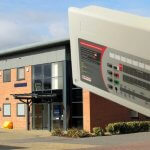
Huddersfield Commercial Fire Alarm Systems – Huddersfield’s commercial property landscape is shaped by a blend of modern developments, industrial facilities and converted mill buildings. These environments often combine office space, storage areas and production zones within a single premises. As a result, fire alarm systems must be designed with a clear understanding of how different risks interact across the building. A standard, one-size-fits-all approach is rarely sufficient.
The primary role of a fire alarm system is early detection and warning. In commercial settings, this allows occupants to evacuate safely while also giving businesses the opportunity to limit damage and disruption. In Huddersfield, where many premises operate across extended hours or include unattended periods, automatic detection is essential to ensure fires are identified quickly regardless of occupancy.
One of the key decisions in fire alarm design is the choice of system type. Addressable fire alarm systems are commonly used in Huddersfield commercial buildings because they provide detailed information about each detection device. When an alarm is triggered, the control panel identifies the exact location of the activation. This enables a faster and more targeted response, which is particularly important in large or complex premises.
Mixed-use buildings present unique challenges. A single property may include office areas, workshops and storage facilities, each with different fire risks. Offices typically rely on smoke detectors to identify fires involving electrical equipment or combustible materials such as paper and furnishings. Workshops and industrial areas, however, may require heat detectors due to environmental conditions such as dust, fumes or fluctuating temperatures that could cause false alarms in smoke detection systems.
Warehousing and storage areas require careful consideration of detection coverage. High shelving and large open spaces can affect how smoke travels, potentially delaying detection if systems are not designed correctly. In these environments, beam detection systems or strategically placed heat detectors may be used to ensure reliable performance.
Manual call points remain an important part of any fire alarm system. These devices allow staff to raise the alarm immediately if a fire is discovered. In Huddersfield commercial premises, call points should be positioned along escape routes and near exits so they can be accessed quickly without compromising safety.
Audibility is another critical factor. Alarm sounders must be clearly heard throughout the building, including in areas with high background noise such as workshops or production areas. In some cases, additional sounders or visual alarm devices may be required to ensure all occupants are alerted effectively.
Integration with other building systems enhances the overall effectiveness of fire safety measures. Fire alarms can be linked to door release mechanisms, access control systems and ventilation controls. When activated, these systems can respond automatically to support evacuation and limit the spread of smoke and fire.
Maintenance is essential to ensure the system remains reliable. Weekly testing should be carried out by the responsible person on site, while periodic servicing by a qualified engineer ensures detectors, control panels and backup power supplies remain in good working condition. Accurate records of testing and maintenance should be kept as part of the building’s fire safety documentation.
False alarms can be particularly disruptive in commercial environments. Frequent unwanted activations can interrupt operations and reduce confidence in the system. Proper system design, appropriate detector selection and regular maintenance all help minimise the risk of false alarms.
For businesses in Huddersfield, fire alarm systems must be designed with flexibility and precision. By addressing the specific risks associated with different areas of a building, a well-planned system provides reliable detection, supports safe evacuation and helps protect both people and property.